




A decade in the past, recording professionally typically meant discovering studio time, securing a producer and hoping the precise individuals heard the completed product.
At this time, a rising variety of artistes are constructing careers from bedrooms, spare rooms and improvised house studios, utilizing laptops, inexpensive software program and web connections to create music on their very own phrases.
ALSO READ: How music helps the mind
The shift is altering how music is made throughout the area, from Nairobi and Kampala to Dar es Salaam and Kigali, the place a brand new era of artistes more and more be taught manufacturing alongside songwriting and efficiency.
Expertise has lowered the price of entry, permitting musicians to jot down, report, combine and distribute songs with out ready for a label, studio proprietor or trade gatekeeper.
The DIY strategy just isn’t fully new. East Africa's digital music neighborhood has spent years constructing its personal infrastructure, typically out of necessity. Artistes and promoters have created areas, scenes and audiences with restricted institutional assist, relying closely on neighborhood networks and self-driven creativity.
ALSO READ: Audiomack co-founder backs Rwanda’s rise in music streaming house
What has modified is how accessible the instruments have turn into.
Throughout music manufacturing boards, producers more and more share the identical recommendation: cease chasing costly gear and deal with the instruments that allow you to end songs. In a single extensively mentioned thread, musicians pointed to studio displays, MIDI keyboards, headphones and fundamental acoustic remedy because the purchases that improved their work probably the most.
The widespread theme was practicality fairly than status.
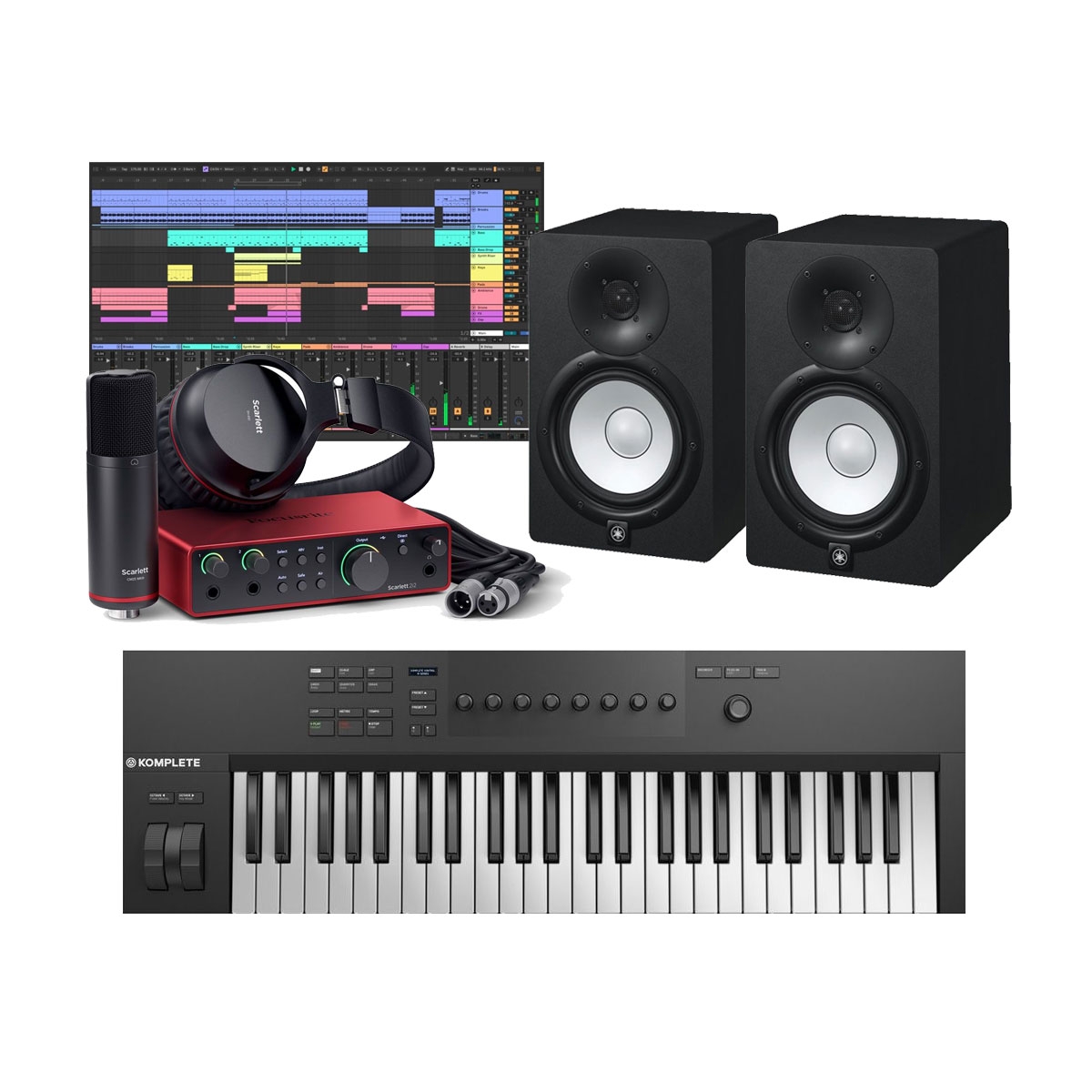 For a lot of younger artistes in Kigali, that lesson feels acquainted.
Town's music scene has turn into more and more unbiased, with artistes releasing singles on to streaming platforms, constructing audiences by way of TikTok and Instagram, and collaborating remotely with producers throughout the area. As an alternative of ready for entry to massive studios, many are beginning with what they have already got.
The result’s a era of musicians who see manufacturing as a part of the artistic course of fairly than a separate service.
The motion extends past software program and recording tools.
In Uganda, producer and inventor Brian Bamanya constructed Africa's first DIY modular synthesizer, proving that innovation can occur regionally fairly than relying fully on imported tools. His challenge grew to become a logo of a broader artistic philosophy: construct what you want, be taught as you go and create from the place you might be.
There are nonetheless challenges. Impartial producers usually level to restricted trade infrastructure, entry to tools and difficulties connecting with artistes and audiences. In discussions amongst East African creators, many describe a music ecosystem the place expertise is plentiful however alternatives stay erratically distributed.
But these obstacles haven’t slowed the momentum.
Business observers describe it as a rising motion centered on strengthening native artistic ecosystems and holding extra of the artistic course of throughout the area.
For aspiring musicians, the largest lesson could also be surprisingly easy.
Probably the most worthwhile studio improve isn’t the flashiest piece of kit. Extra typically, it’s the device that helps an artist create persistently, enhance their craft and end the following music.
Within the DIY period, which may be the benefit that issues most.


