



As Rwanda’s trend business continues to evolve, a rising variety of native streetwear manufacturers are carving out area by mixing up to date trend with cultural id.
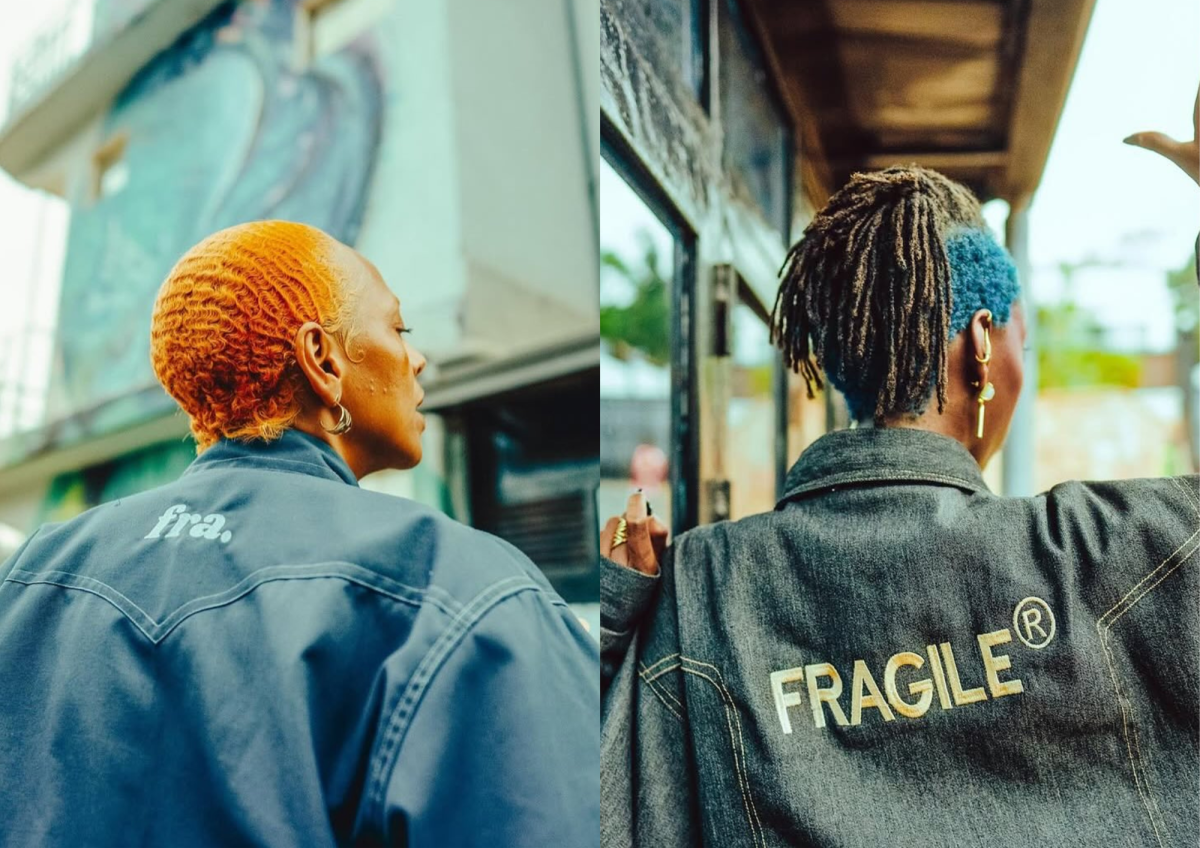
Amongst them are Nature Attire, Misozii and Fragile (FRA), three Kigali-based labels which can be utilizing clothes as a platform for storytelling whereas navigating challenges starting from excessive manufacturing prices to competitors from imported trend merchandise.
For the founders of those manufacturers, streetwear goes past tendencies and aesthetics. It’s also about representing Rwandan tradition in ways in which resonate with right this moment’s shoppers.
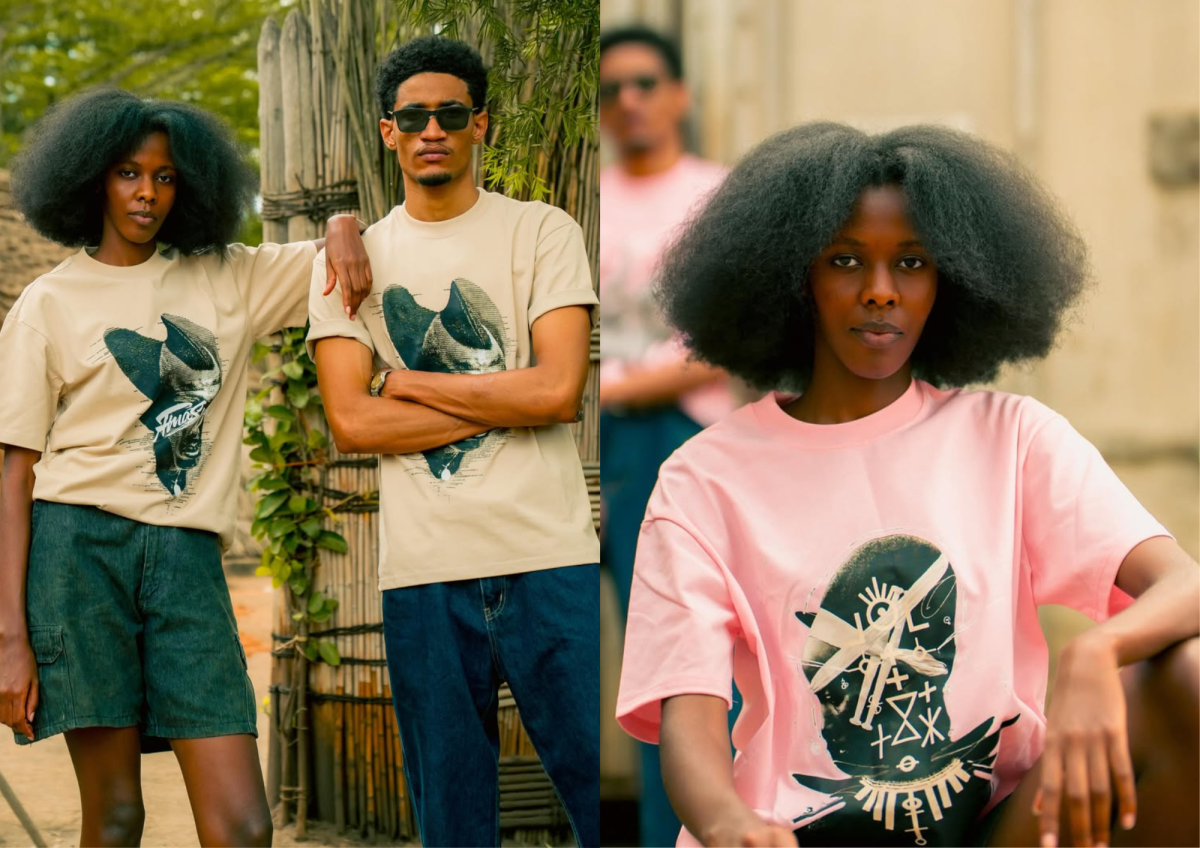
Chatting with The New Occasions, Nature Attire founder and Artistic Director Fiacre Abizeye mentioned the thought behind the model emerged in 2019 from a need to create clothes that displays native tales and experiences.
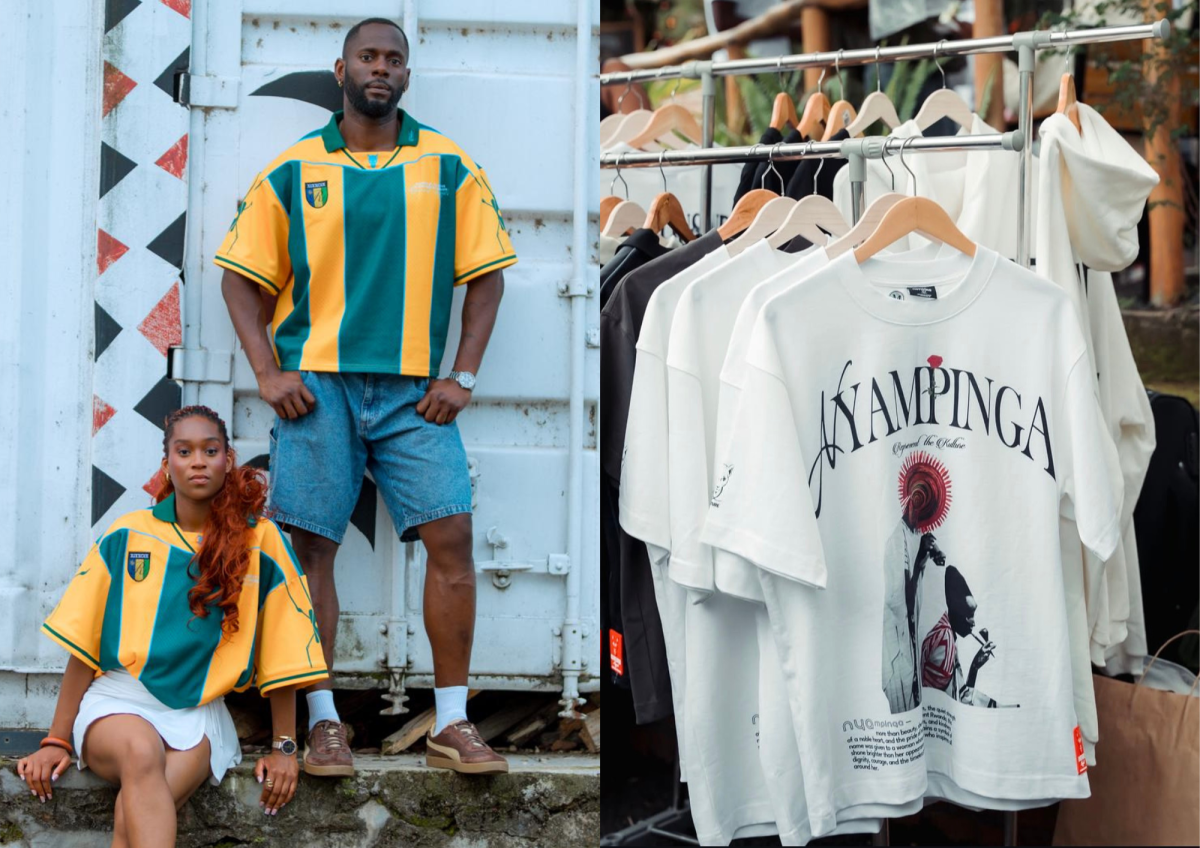
The model’s current collections draw inspiration from cultural ideas akin to Nyampinga, whereas earlier designs included components of imigani and ibyivugo.
“We’re not making an attempt to make conventional clothes,” Fiacre mentioned. “We wish to create up to date clothes that carry cultural references.”
Equally, Misozii founder Exilton Mpundu mentioned his model takes inspiration from Rwandan heritage, together with cultural symbols akin to Amasunzu, whereas incorporating fashionable design components.
“The purpose is to create one thing that’s proudly Rwandan however may also be appreciated anyplace on the planet,” he mentioned.
Fragile, which was established in 2020 by a collective of creatives, attracts inspiration from skateboarding tradition, artwork and sustainability.
Co-founder Chris Manzi mentioned the model combines native influences with world youth tradition.
“Reasonably than selecting between native and world influences, we mix each naturally,” he mentioned.
Manufacturing challenges
Regardless of rising curiosity in domestically made trend, the founders say manufacturing stays considered one of their greatest challenges.
Restricted entry to high quality materials and manufacturing companies forces many native manufacturers to supply supplies from overseas, rising prices and creating logistical hurdles.
For Nature Attire, importing supplies comes with delivery bills, minimal order necessities and supply uncertainties.
Fragile faces comparable challenges.
“Being in a landlocked nation makes importing supplies harder and expensive, limiting each the standard and amount of what we are able to produce,” Manzi mentioned.
To handle a few of these constraints, the model has included sustainability practices akin to repurposing supplies, customizing second-hand clothes and adopting zero-waste manufacturing strategies.
For Misozii, competitors from imported fast-fashion merchandise stays a significant concern.
Mpundu mentioned native manufacturers wrestle to match the low costs of imported merchandise with out compromising high quality.
As an alternative, he mentioned, the corporate focuses on high quality and group engagement.
“Persons are extra keen to help native companies after they join with the imaginative and prescient and function behind them,” he mentioned.
The founders acknowledged that initiatives such because the Made in Rwanda and Go to Rwanda campaigns have helped increase consciousness about domestically produced items, though pricing stays a problem for a lot of shoppers.
Rising native help
The three manufacturers say their buyer base largely consists of younger shoppers who worth self-expression and more and more help Rwanda’s artistic industries.
Nonetheless, buying energy stays a limiting issue for a lot of potential clients.
Manzi famous that whereas consciousness of native trend manufacturers continues to develop, affordability stays a problem for a good portion of shoppers.
To strengthen buyer loyalty, the manufacturers have invested closely in storytelling and direct engagement, significantly by social media platforms.
Mpundu mentioned social media has grow to be an essential software for speaking the cultural inspiration behind Misozii’s merchandise.
Constructing communities
Past promoting clothes, the manufacturers are additionally investing in communities round their merchandise.
Fragile has organised skateboarding classes, artistic occasions and artwork activations over the previous 5 years as a part of efforts to construct a broader cultural motion across the model.
“We targeted on constructing a loyal group reasonably than merely promoting clothes,” Manzi mentioned.
The founders imagine the way forward for Rwanda’s unbiased streetwear business will rely on creating merchandise that provide greater than trend by combining cultural id, high quality and a way of belonging.
Because the sector continues to develop, manufacturers akin to Nature Attire, Misozii and Fragile are betting that buyers will more and more select domestically made merchandise not just for what they put on, but in addition for the tales they symbolize.


