




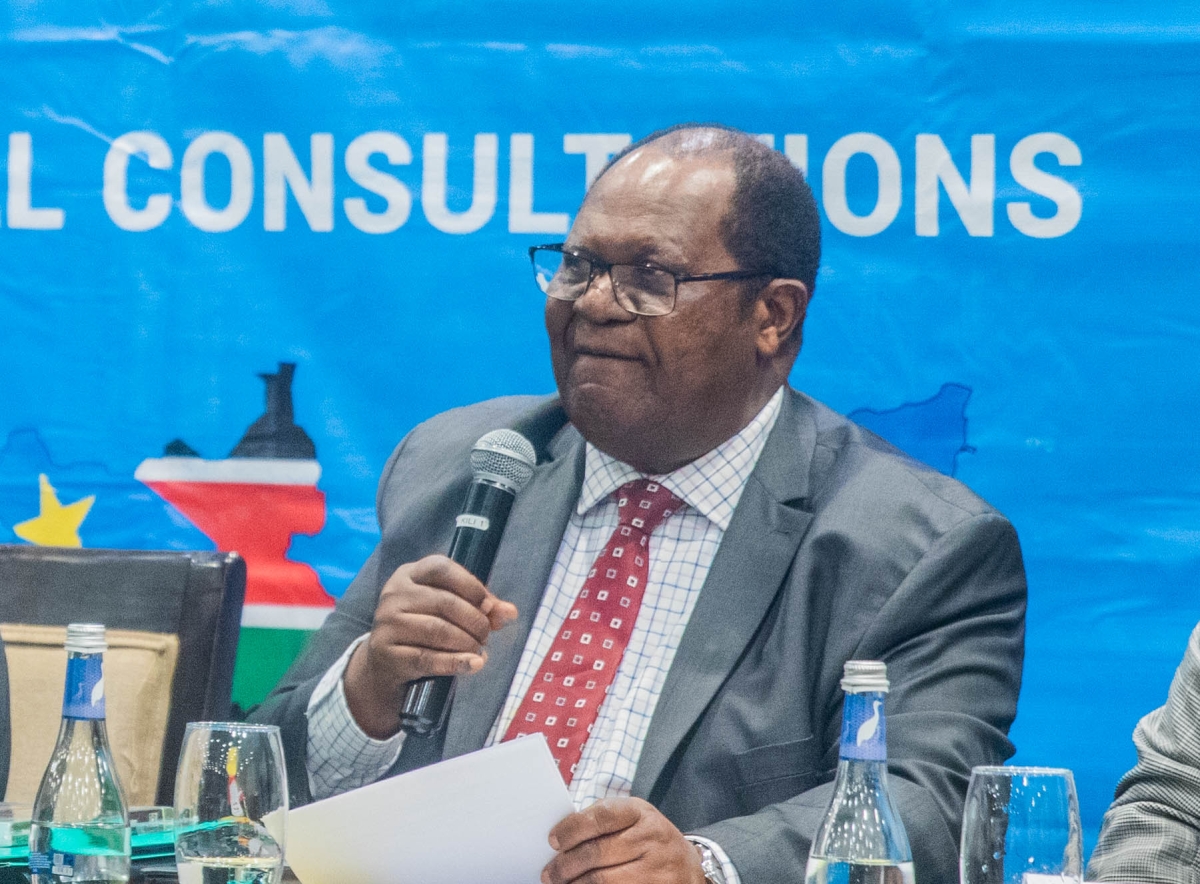
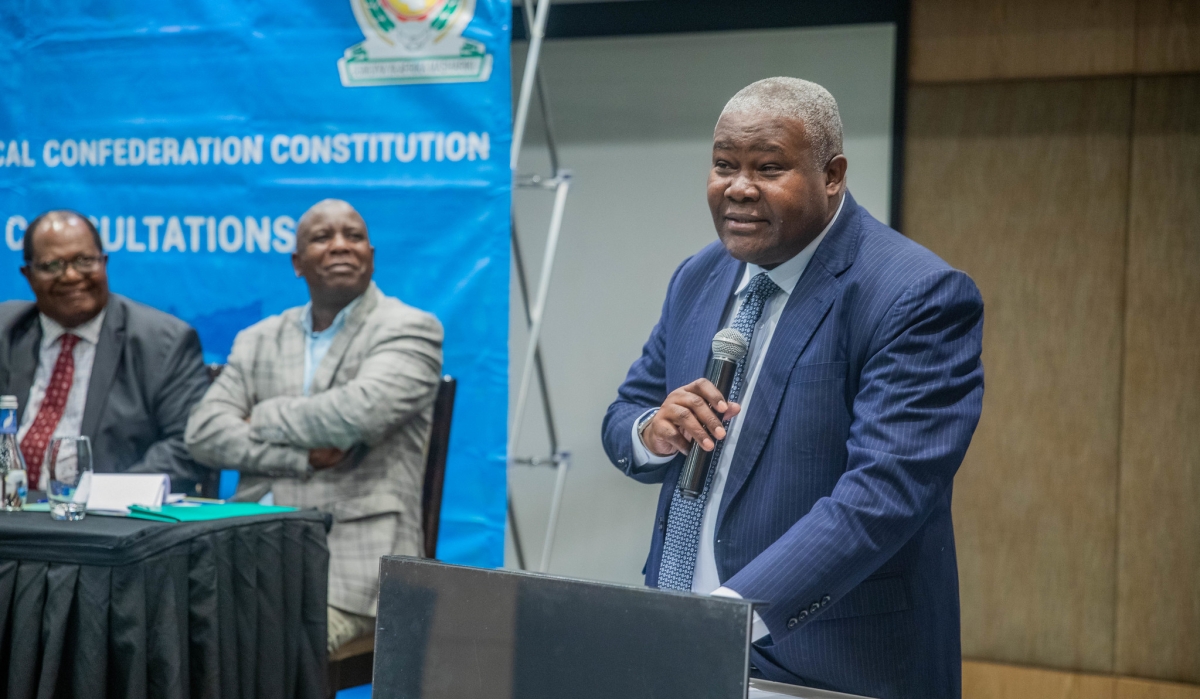
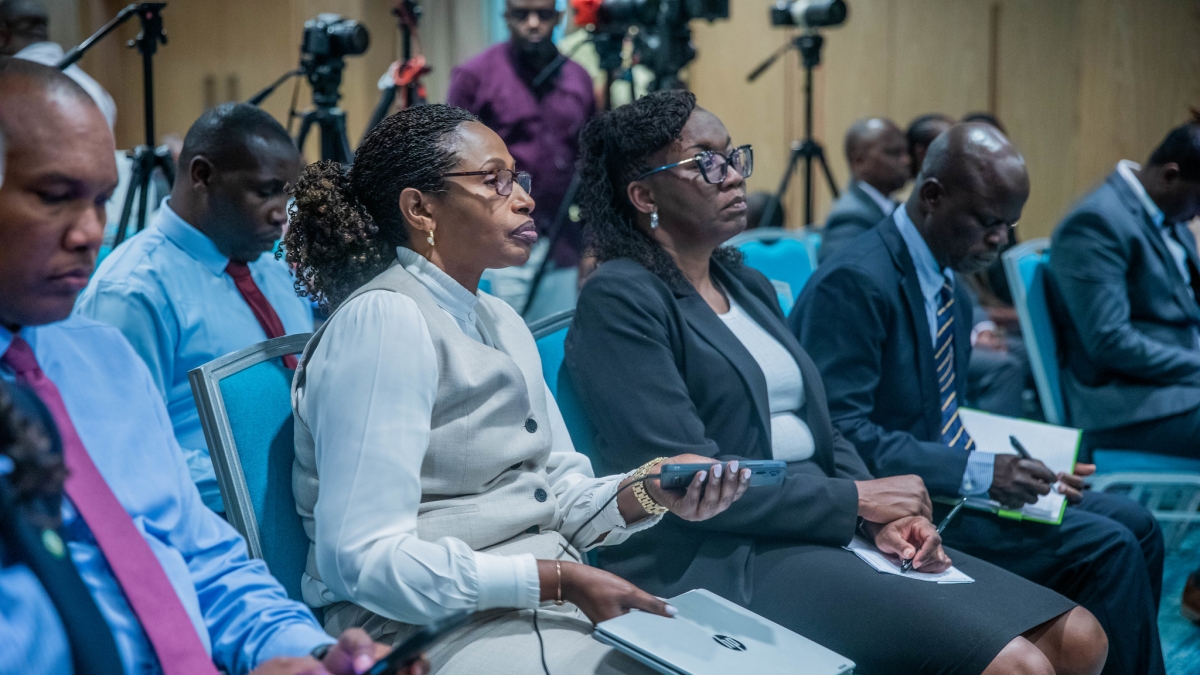
The East African Neighborhood (EAC) on Monday, June 15, launched nationwide stakeholders’ consultations in Rwanda on the drafting of the structure for the proposed East African Political Confederation.
The consultations, which can embody stakeholder engagements in Rubavu, Huye, and Nyagatare earlier than concluding on June 27, goal to assemble views from residents and key stakeholders to tell the event of a draft structure that can information the longer term Political Confederation.
ALSO READ: EAC resumes Rwanda consultations on Political Confederation Structure
The Political Confederation is envisioned as a transitional stage within the bloc’s integration course of, in the end main towards the long-term objective of a Political Federation of East African States.
It’s anticipated to offer a framework by way of which Companion States would cooperate extra carefully on political affairs, governance, peace and safety, international coverage, and different strategic areas, whereas nonetheless retaining their sovereignty as unbiased states.
“The Treaty for the institution of EAC is obvious that the Neighborhood is people-centred, and in that regard all residents have to be consulted once we are about to make a really main resolution on our integration,” stated Stephen Mbundi, the EAC Secretary Normal.
In line with Mbundi, the Political Confederation agenda dates to 2017, when it was adopted by EAC Heads of State as a transitional mannequin following years of consultations and technical work by consultants.
The initiative is anchored in Article 123 of the EAC Treaty, which outlines the progressive path of integration from the Customs Union, Widespread Market and Financial Union, to in the end a Political Federation.
“We are actually enterprise the fourth pillar of EAC integration, political integration, which seeks to offer a transparent framework for governance below the Political Confederation or eventual Federation.”
ALSO READ: Ruto urges EAC to fast-track structure on political confederation
He added that earlier knowledgeable committees have been established to handle considerations raised by residents throughout earlier consultations on political federation, together with fears and expectations about deeper integration.
“Earlier than we transfer ahead, it’s higher we assess whether or not these fears are nonetheless there,” he added.
To date, consultations have been accomplished in Burundi, Uganda, and Kenya.
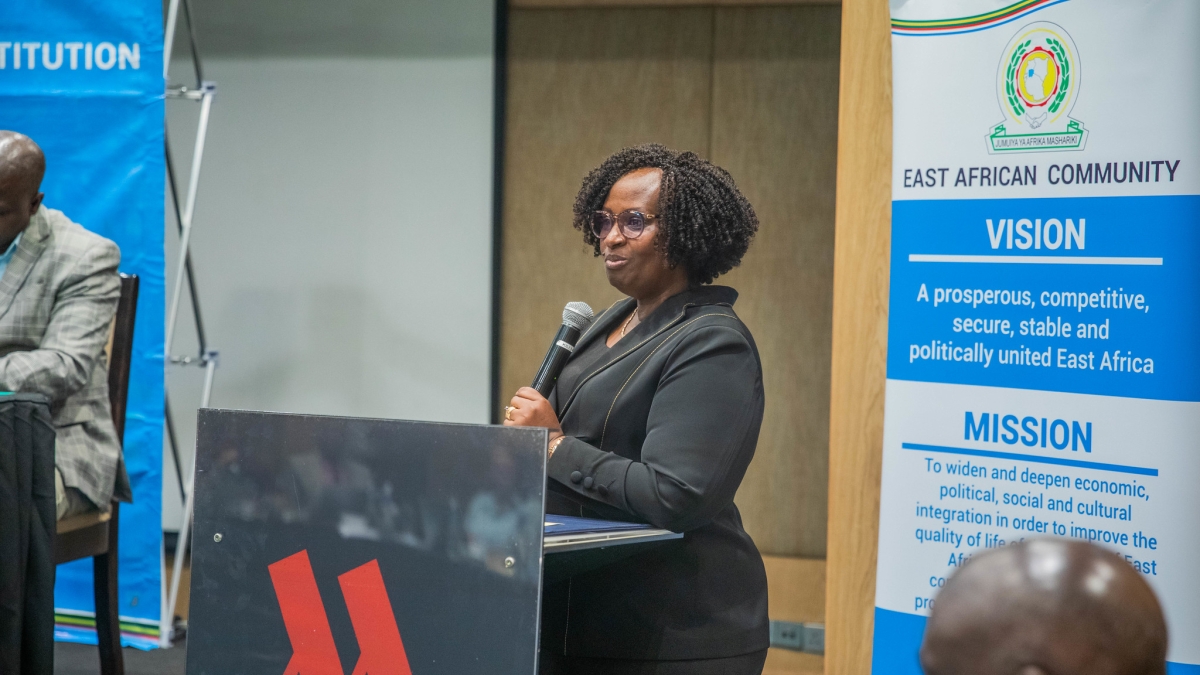
Usta Kayitesi, Rwanda's Minister of State for International Affairs, stated the East African area has already made seen progress by way of the Customs Union, Widespread Market, and ongoing efforts towards a Financial Union, which have strengthened commerce, funding, mobility, and cooperation amongst associate states.
“The imaginative and prescient of a Political Confederation displays the need of East Africans to deepen cooperation and construct establishments able to advancing peace, safety, financial transformation, and sustainable improvement throughout our area.”
“The way forward for our area can’t be formed by governments alone. It should be knowledgeable by the views, aspirations, and expectations of the residents whose lives will likely be formed by the selections we make,” Kayitesi added.
She known as for inclusive participation within the consultations, urging youth, ladies, entrepreneurs, farmers, lecturers, spiritual leaders, individuals with disabilities, civil society and the media to actively contribute.
“Whether or not we take into account commerce and funding, infrastructure improvement, technological innovation, local weather resilience, public well being or regional safety, cooperation offers a stronger basis for progress than working in isolation.”
She added that deeper integration would develop alternatives for companies and younger folks whereas strengthening the area’s international affect.


