




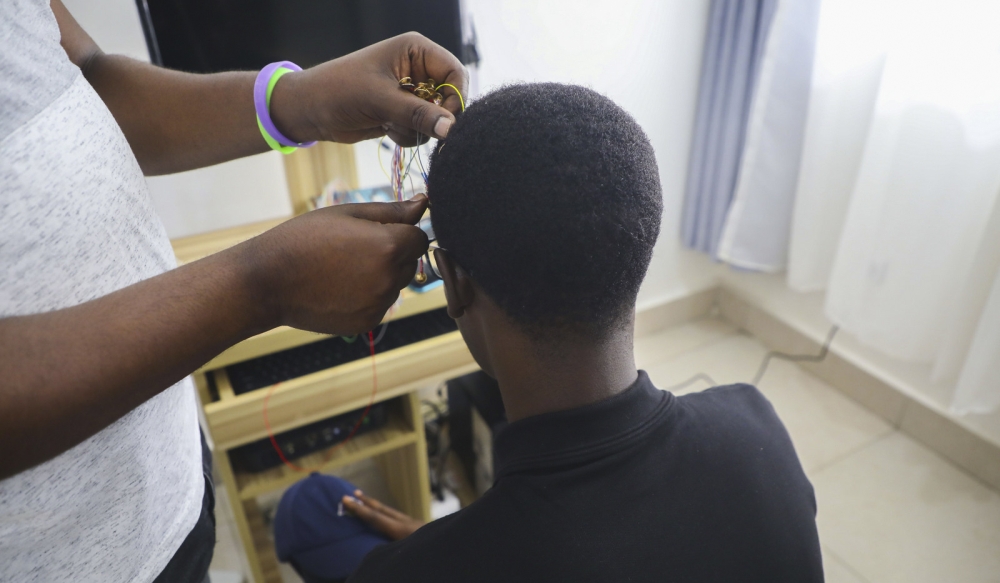
After years of listening to tales of gender-based violence, melancholy and psychological trauma, Belise Iradukunda started noticing adjustments in herself.
The previous psychiatric nurse, who labored in Burundi earlier than relocating to Rwanda in 2015, says the emotional weight of caring for sufferers step by step grew to become not possible to disregard.
“In my line of labor, I encountered many tough instances, from gender-based violence to melancholy and extreme stress,” she says. “The extra I understood the psychological challenges individuals have been coping with, the extra my very own psychological well being was affected.”
For years, Iradukunda, who now lives together with her elder sister in Kicukiro district, continued working regardless of emotional exhaustion, believing it was merely a part of the occupation.
The hidden price of caring for others
Like many healthcare employees, she targeted on serving to sufferers whereas quietly suppressing the psychological toll of repeated publicity to trauma.
ALSO READ: Psychological well being: Recognising indicators earlier than stress builds
Her expertise displays a broader however usually missed actuality inside Rwanda’s healthcare system: whereas conversations round psychological well being have gotten extra seen, the emotional wellbeing of healthcare employees themselves isn’t mentioned.
Throughout hospitals and clinics, docs, nurses, psychologists, and psychological well being specialists function below fixed strain. Hospital corridors fill early every morning with sufferers ready for consultations, diagnoses, and therapy.
Inside session rooms, healthcare employees transfer quickly between recordsdata, emergencies, and emotionally demanding instances, usually with little time to get well earlier than the following affected person arrives.
This yr’s Psychological Well being Consciousness Month theme, “Extra Good Days, Collectively,” emphasises emotional wellbeing and assist techniques. However for a lot of healthcare employees, it additionally raises a tough query: who helps these offering care?
When stress turns into burnout
Medical psychologist Justine Mukamwezi, Director of Medical Providers at Strong Minds Counselling Clinic, says burnout amongst healthcare professionals usually develops step by step and is incessantly normalised till it begins affecting behaviour, feelings, and office relationships.
“There may be this expectation that since you assist others, you shouldn’t battle your self,” she says. “However that isn’t true.”
Mukamwezi distinguishes abnormal stress from burnout. Whereas stress could also be non permanent, burnout develops when strain turns into extended and restoration time is restricted or nonexistent.
Warning indicators, she says, embody irritability, emotional exhaustion, decreased empathy, and a rising dread of returning to work.
ALSO READ: Psychological well being measures set to be launched in justice system
“You can begin feeling pissed off with sufferers or colleagues. You lose persistence extra simply,” she says. “Some individuals grow to be emotionally indifferent from work they as soon as beloved.”
Regardless of these warning indicators, many healthcare employees proceed working via exhaustion as a result of emotional pressure has grow to be broadly accepted inside the occupation.
“You shouldn’t solely search assist if you find yourself already in disaster,” Mukamwezi says. “Folks must handle stress earlier than it reaches that time.”
She additionally stresses the accountability of employers to create supportive work environments, enable restoration time, and guarantee healthcare employees have entry to psychological well being providers.
Carrying sufferers’ ache residence
For docs like Marie Solange Mukanumviye, a advisor internist, gastroenterologist, and hepatologist at CHUK, the emotional influence of inauspicious instances usually extends past hospital partitions.
Some contain critically unwell sufferers. Others contain conversations with households receiving devastating information regardless of each effort made by medical groups.
“When we’ve finished every little thing doable for a affected person, discussing it collectively helps,” she says. “It reminds us that we gave one of the best care we might.”
ALSO READ: Sustaining psychological well being assist vital to Rwanda’s continued therapeutic
Outdoors work, many healthcare employees depend on household time, relaxation, journey, or brief breaks to get well mentally. Nevertheless, structured psychological assist for medical employees stays restricted and never at all times simply accessible.
Some hospitals have launched wellness initiatives reminiscent of sports activities actions and group programmes, however heavy workloads usually forestall employees from taking part.
The strain behind the occupation
Jean-Damascene Hanyurwimfura, Director Basic of Masaka Hospital, says healthcare employees face distinctive psychological strain as a result of they’re continually uncovered to sickness, struggling, and emergencies.
“There are conditions the place a affected person doesn’t enhance regardless of therapy, and that naturally impacts healthcare employees psychologically,” he says.
Masaka Hospital has launched inside assist techniques, together with employees discussions, days off for affected employees, sports activities actions, and entry to in-house psychologists and psychological well being nurses.
ALSO READ: Why world psychological well being day issues for Rwanda
“If you don’t care for employees, it will definitely impacts service supply,” he says.
Nonetheless, he acknowledges that heavy workloads stay a persistent problem throughout the healthcare system.
Secondary trauma amongst caregivers
Psychological well being nurse Olive Mukase of Nyamata Hospital says healthcare employees are significantly susceptible to secondary trauma as a result of most of the instances they deal with mirror realities inside their very own communities.
“They’re listening to tough tales day-after-day, and they’re additionally members of the identical society,” she says. “What occurs to sufferers might additionally occur to them or their households.”
Repeated publicity to trauma, violence, and emotional misery, she says, can step by step have an effect on healthcare employees if there isn’t any structured assist or house to decompress.
ALSO READ: Why world psychological well being day issues for Rwanda
Over time, this will likely result in emotional fatigue, withdrawal, irritability, and pressure inside household life.
Mukase believes assist techniques for healthcare employees ought to grow to be institutionalised moderately than occasional.
“There must be techniques the place employees can commonly converse to a psychologist or counsellor earlier than burnout occurs,” she says.
Rwanda’s healthcare system has made important progress in increasing entry to care and enhancing well being outcomes. However healthcare employees say sustaining these beneficial properties can even rely upon defending the wellbeing of these delivering care.
ALSO READ: Looking for psychological well being care just isn’t a weak point
For Iradukunda, the expertise left a long-lasting lesson: healthcare employees should not proof against the emotional weight of the struggling they encounter day-after-day.
As Psychological Well being Consciousness Month continues, many caregivers are urging better recognition that caring for healthcare employees just isn’t non-compulsory, however important to the survival of the system itself.


