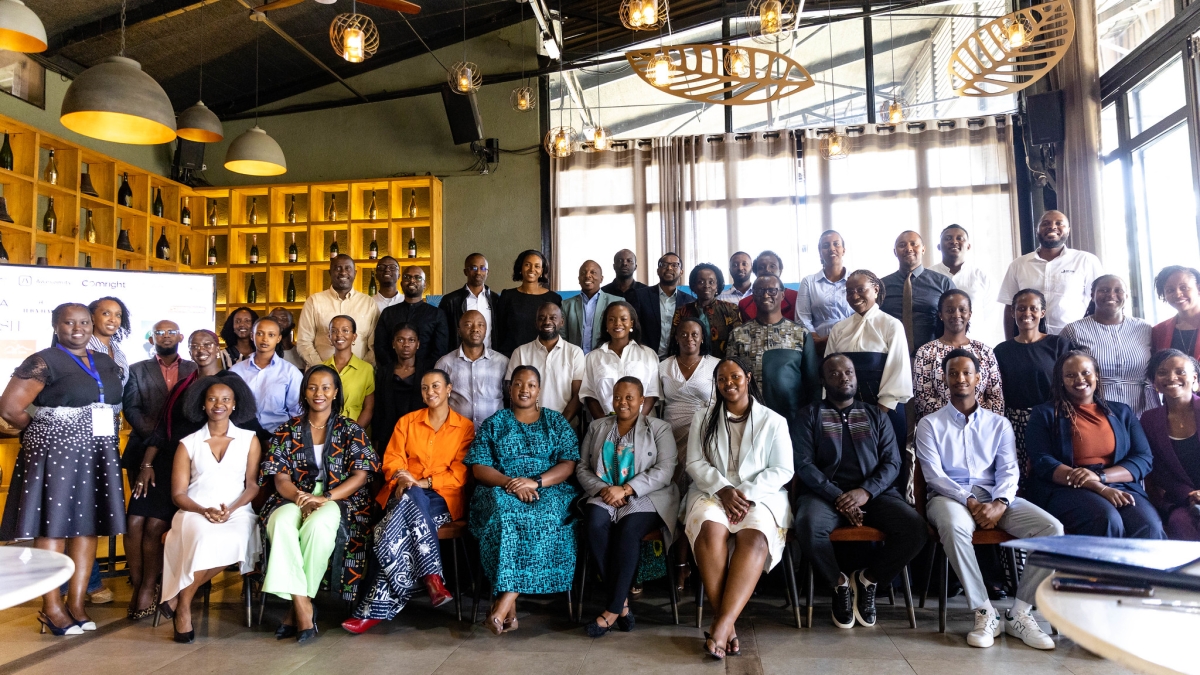




Enterprise Professionals Community (BPN) Rwanda, in partnership with the Mastercard Basis, is supporting companies to scale by way of the Develop 2 Scale programme by offering teaching, mentorship, entry to finance, and market linkages.
The programme highlights the rising contribution of small and medium-sized enterprises (SMEs), to inclusive financial progress. On Wednesday, June 17, BPN Rwanda marked an essential milestone with the celebration of the primary cohort of the Topify and Impala programmes beneath the Develop 2 Scale partnership.
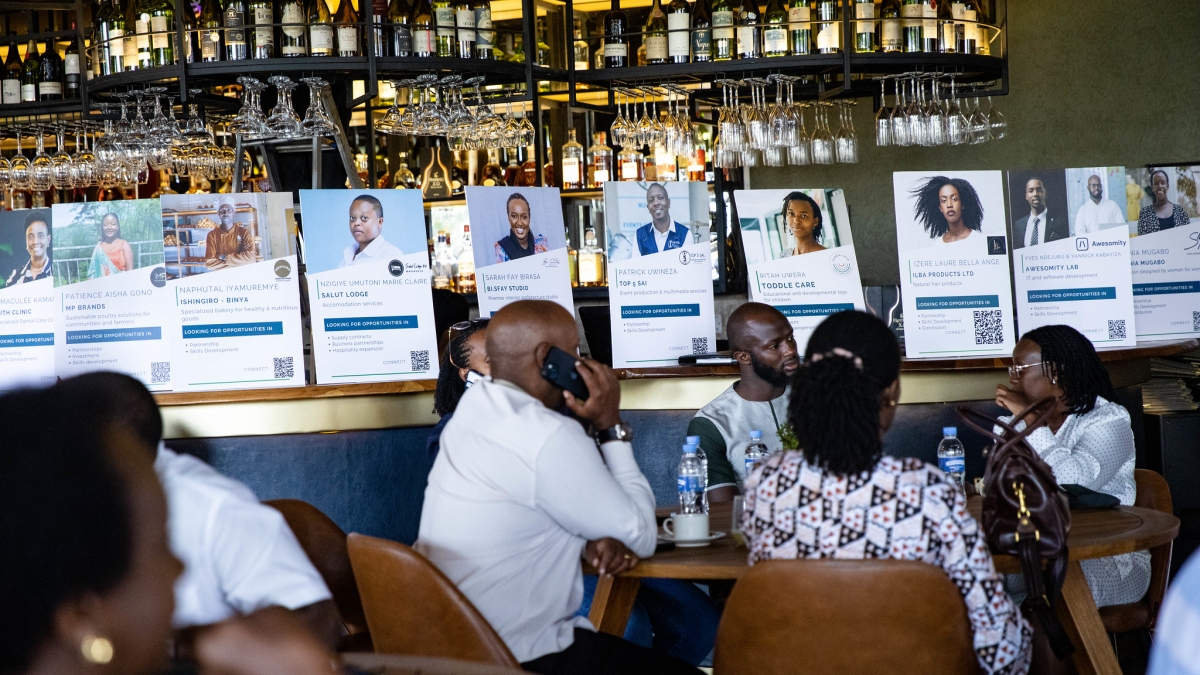
Held in Kigali, the occasion introduced collectively entrepreneurs and companions to have fun 16 companies supported by way of the Topify scaling programme and 9 women-led small and medium enterprises supported by way of the Impala programme.

Each initiatives are a part of Develop 2 Scale, a programme designed to assist entrepreneurs develop, strengthen, and sustainably develop their companies.
Whereas the Impala programme gives one 12 months of intensive teaching, coaching, networking, and financing help, the Topify programme presents a extra complete two-year journey that features teaching, enterprise advisory, masterclasses, networking alternatives, and entry to finance to assist effectively established entrepreneurs efficiently scale their ventures.
The programme helps small and rising companies in tourism, hospitality, and agriculture, whereas selling the inclusion of youth in work, significantly girls, refugees, and individuals with disabilities. BPN’s contribution goals to generate 19,000 jobs over its lifecycle.
Deal with mindset and enterprise management
BPN Rwanda says the programme goes past technical coaching, focusing as an alternative on management improvement and entrepreneurial mindset as key drivers of enterprise progress.
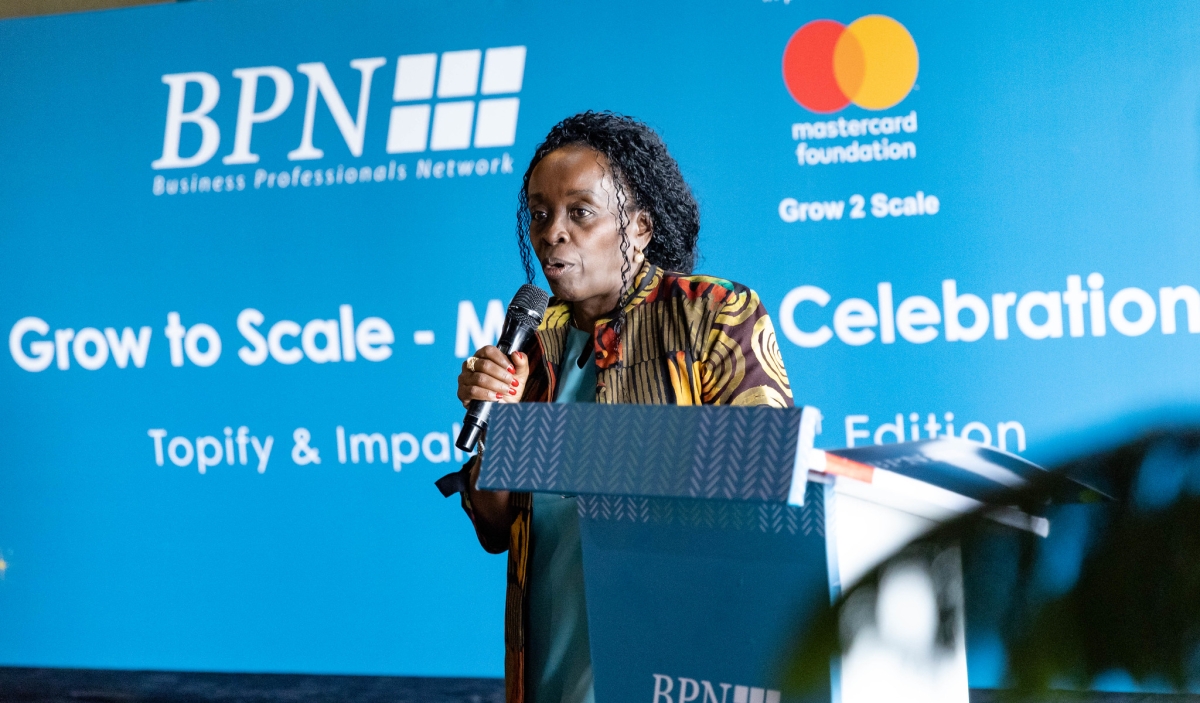
Alice Nkulikiyinka, Nation Director of BPN Rwanda, mentioned the organisation’s mannequin is constructed on shaping how entrepreneurs suppose and handle progress.
“Our key facet of labor is to not deal with fundamental enterprise abilities however moderately on mindset and perspective, supporting entrepreneurs to grow to be accountable leaders and to develop companies that create jobs,” she mentioned.
She indicated that greater than 80 per cent of supported companies stay sustainable and develop steadily, whereas about 30 per cent develop into market leaders of their sectors.
Nkulikiyinka added that the mannequin proved resilient through the Covid-19 interval pandemic, when not one of the supported companies closed. Many, she mentioned, survived extended disruption resulting from improved monetary self-discipline and planning.
Inclusion as a core pillar of progress
Inclusion is a core pillar of Develop 2 Scale, with about 80 per cent of jobs created focusing on younger girls beneath 35, whereas seven per cent every are reserved for refugees and individuals with disabilities.
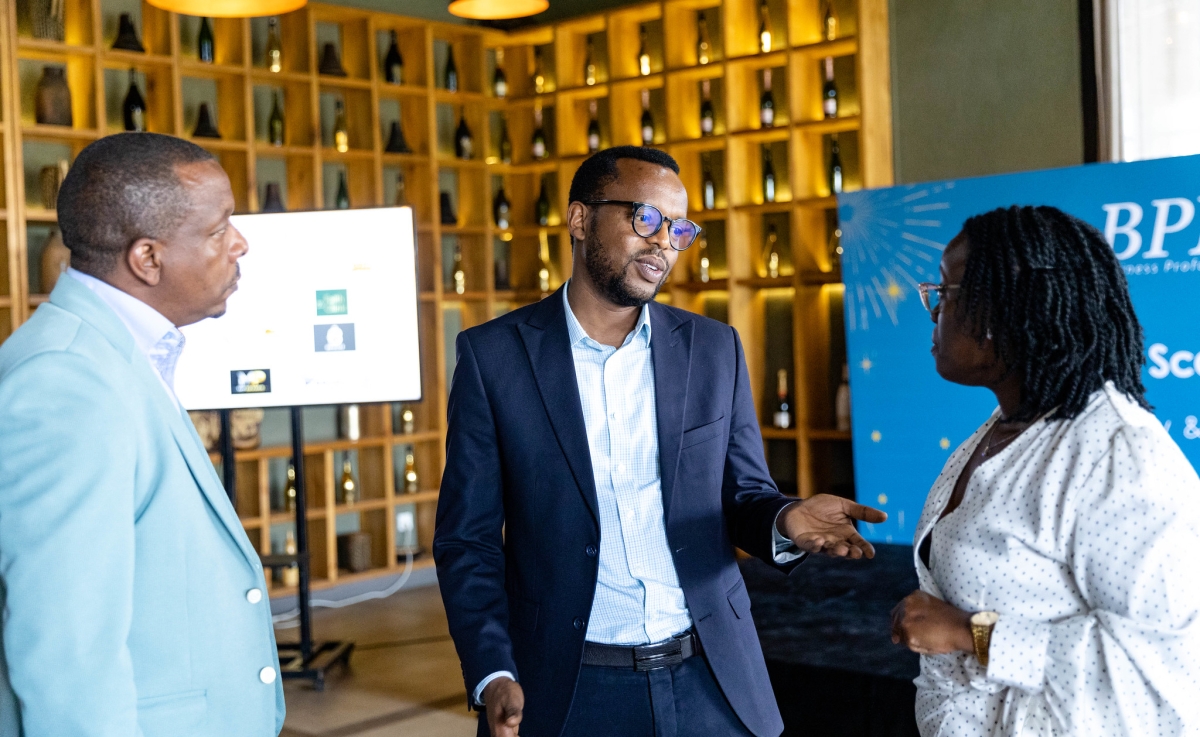
To help this strategy, BPN works with organisations such because the Nationwide Union of Incapacity Organisations of Rwanda (NUDOR) and Maison Shalom, amongst different companions to strengthen the participation of individuals with disabilities in entrepreneurship and develop entry to enterprise alternatives.
Jean Baptiste Murema, Senior Incapacity Inclusion Advisor at NUDOR, mentioned the programme helps shift perceptions round incapacity and enterprise.
“It’s nonetheless a journey, however teaching helps them organise their companies and construct capability to develop,” he mentioned.
He added that NUDOR’s function is to hyperlink entrepreneurs with disabilities to implementing companions throughout districts, enabling entry to coaching and mentorship.
“Our function is to attach BPN with entrepreneurs with disabilities to allow them to obtain steerage and help to develop their concepts,” he mentioned. He mentioned entrepreneurship remains to be new for a lot of individuals with disabilities, however publicity to success tales is altering mindsets.
“After they see others succeeding, they start to imagine they will additionally do it,” he mentioned.
From day by day operations to strategic progress
Among the many graduates was Nadia Keza, CEO of Worldwide Journey Company, who mentioned the programme modified how she manages her enterprise.
She mentioned she moved from day-to-day operational administration to strategic management targeted on structured progress.
“It isn’t an choice. It’s a duty each entrepreneur ought to have to remain alive in enterprise,” she mentioned.
She added that the programme helped strengthen programs, delegation and effectivity, permitting the enterprise to function with out her fixed involvement.
“Now every part flows accurately, and I don’t have to be there for the work to be performed,” she mentioned.
Scaling impression by way of partnership
Nation Program Companion on the Mastercard Basis, Emery Musonerwa, counseled BPN Rwanda for its rising impression in supporting entrepreneurs and job creation.
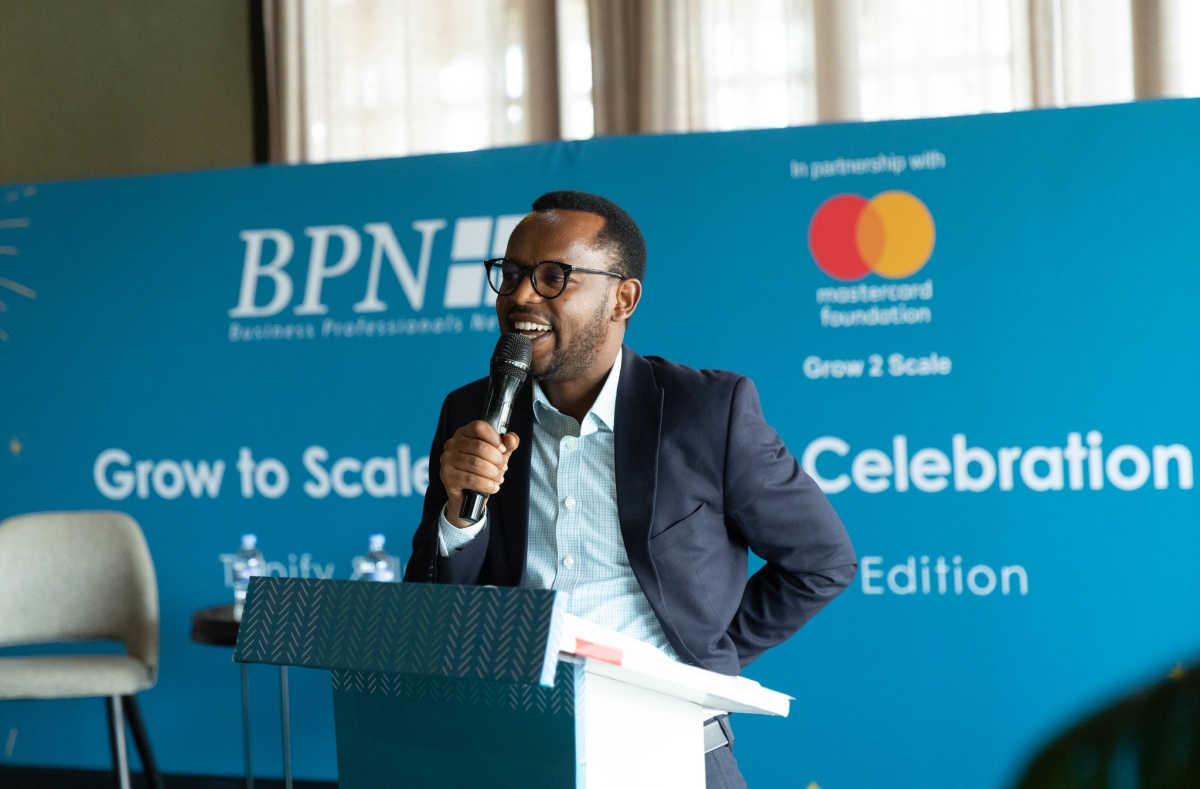
He mentioned the organisation has expanded its attain considerably, shifting from supporting about 90 entrepreneurs yearly to 1000’s beneath the Develop 2 Scale mannequin.
“You’re serving to younger folks to get work alternatives as you develop your companies,” he mentioned. He mentioned entrepreneurship is central to Rwanda’s NST2 job creation targets of greater than 1 million jobs by 2029. “
The nation can not obtain these jobs with out entrepreneurs,” he mentioned.
Name for stronger enterprise champions
Diane Karusisi, CEO of Financial institution of Kigali, visitor speaker at this milestone celebration referred to as for a shift in ambition amongst entrepreneurs and financiers, saying Rwanda wants stronger “nationwide champions” able to scaling regionally and globally.
“We’re good at getting folks to begin a enterprise, however I’ve not seen nationwide champions rising,” she mentioned.

She urged banks to evaluate entrepreneurs past monetary statements, specializing in self-discipline, consistency and execution capability.
“We wish to see individuals who do what they are saying they’ll do,” she mentioned.
She additionally referred to as for earlier engagement between banks and companies to help higher structuring and long-term progress.