




Whether or not you might be shifting by Kigali’s site visitors or heading into the countryside, Rwanda’s sculptures and monuments are exhausting to overlook.
Some have grow to be so acquainted that residents give them nicknames, even when the tales behind them are much less well-known. But these public works do greater than fill open area.
They carry reminiscence, mark historical past, honour sacrifice and assist inform the nation’s story in plain sight.
ALSO READ: Main enhance for creatives as new up to date artwork area opens
Sculpture is without doubt one of the oldest types of creative expression.
Throughout historical past, communities have used stone, wooden, clay and metallic to document beliefs, have fun achievement and protect necessary moments. In Rwanda, that custom lives on in metropolis roundabouts, memorial websites, museums, pilgrimage locations and heritage facilities.
Some monuments converse to the nation’s defining historic chapters. Others draw from religion, oral custom and cultural id.
ALSO READ: Inside Rwanda’s 20 newly categorised cultural heritage websites
The landmark dancers at Sonatubes Roundabout
Greeting motorists at Sonatubes Roundabout are the enduring Intore dancer sculptures, considered one of Kigali's most photographed public artworks. Created by Pascal Bushayija, a Nyundo Faculty of Artwork graduate, the set up sits alongside the principle highway resulting in the long run Bugesera Worldwide Airport.
Bushayija stated the piece was impressed by Rwanda’s tradition of hospitality.
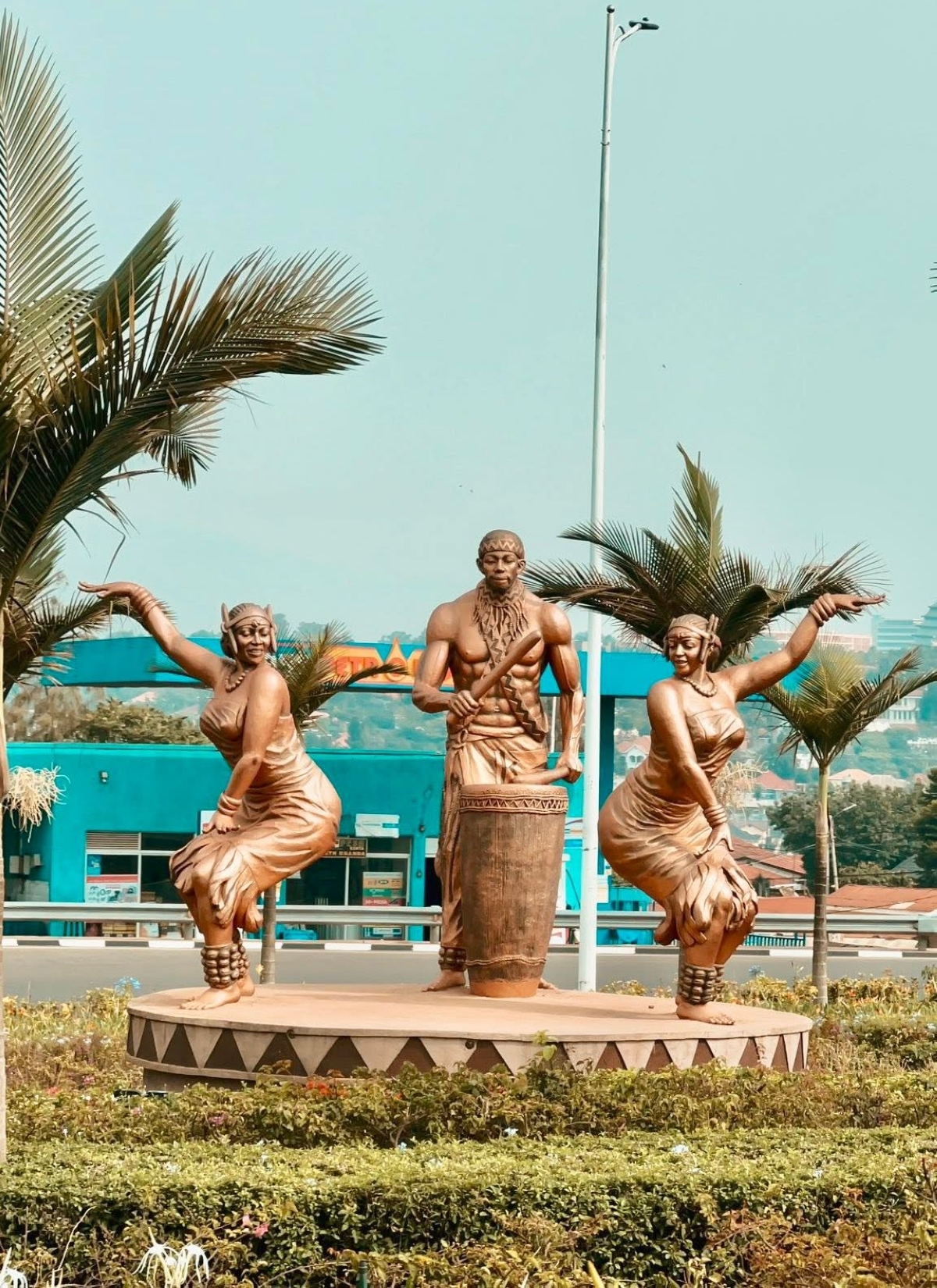
The figures have been meant to welcome guests arriving by the brand new airport, reflecting a practice wherein dancing fashioned a part of a joyful reception for honored friends. He stated he was approached to develop the idea and creative route, then labored with sculptor Venuste Habimana to deliver the thought to life.
Constructed from bolstered concrete and completed to resemble aged metallic, the sculptures have grow to be considered one of Kigali’s signature public artworks and a symbolic gateway to the nation.
Sculpting the story of Rwanda's liberation
One other main landmark stands on the Parliament of Rwanda, the place a collection of monuments surrounding the Marketing campaign In opposition to Genocide Museum tells the story of the navy marketing campaign that stopped the 1994 Genocide in opposition to the Tutsi.
In line with Medard Bashana, director of the Marketing campaign In opposition to Genocide Museum, the thought started in 2006 after President Paul Kagame visited the Kigali Genocide Memorial and requested why the marketing campaign that ended the genocide had not been documented in the identical method because the memorials to victims.
Bashana stated the mission was later assigned to Horizon Group, which created three main monuments unveiled in 2014, three years earlier than the museum formally opened.
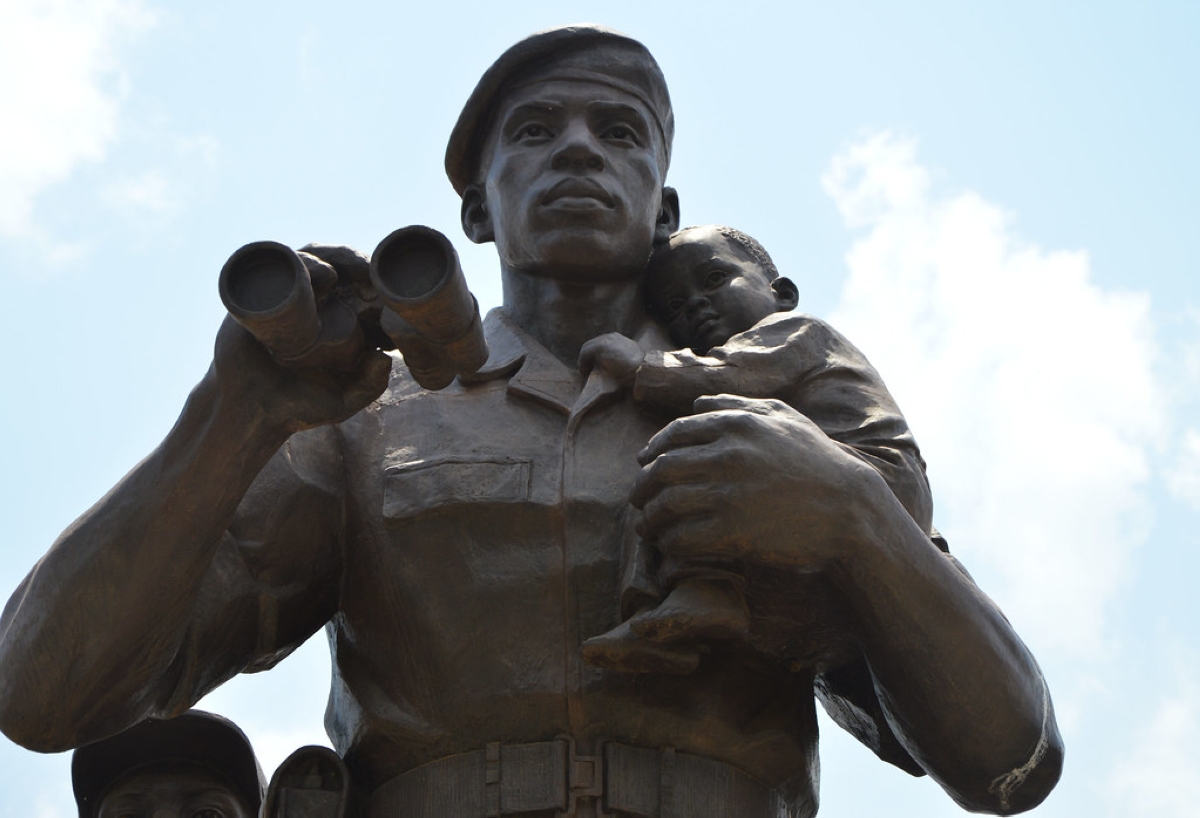
The monuments have been designed to set the tone for the museum’s story. Bashana stated guests typically start to know the themes of mourning, sacrifice, rescue and resilience earlier than stepping inside.
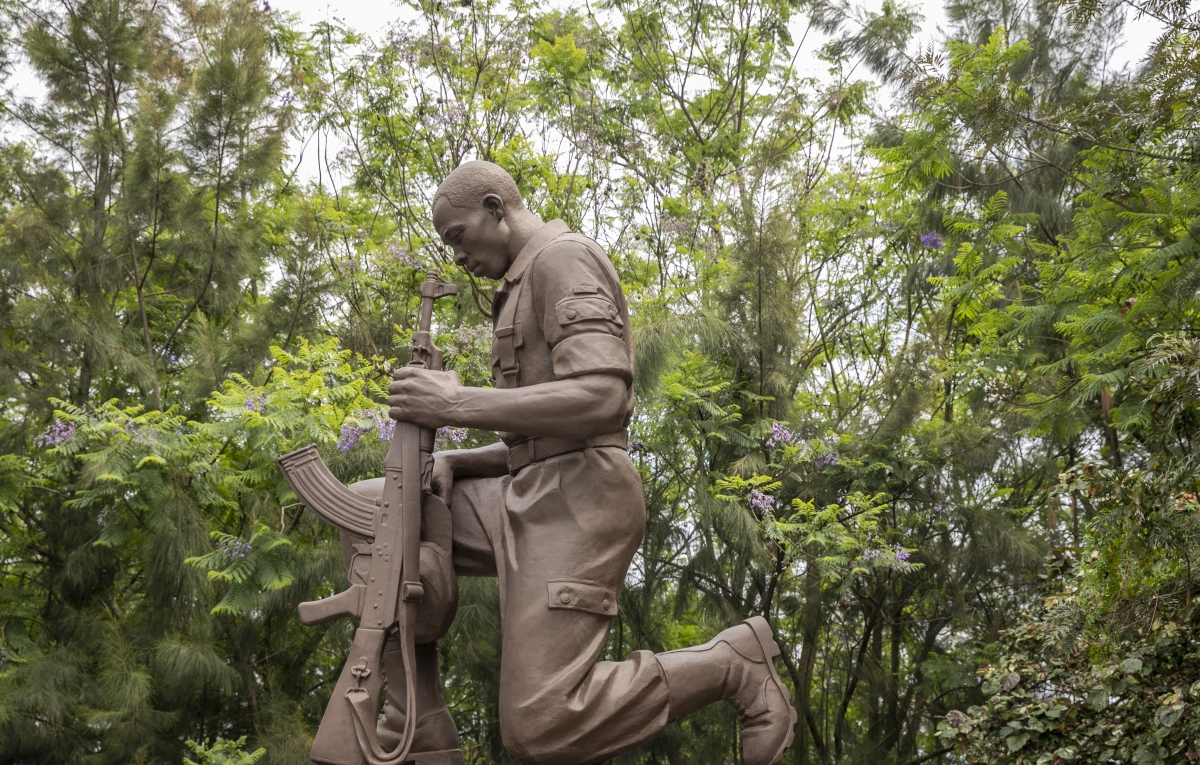
One monument exhibits a soldier working a mounted 12.7mm machine gun, a reference to strategic navy positions in the course of the marketing campaign. One other exhibits a soldier eradicating his cap and bowing his head in tribute to fallen comrades. Bashana stated the determine is just not meant as a cemetery scene, however as a gesture of honour for many who died.
The most important monument brings a number of scenes collectively in a single composition. It exhibits a commander carrying a baby whereas directing operations, troopers advancing on totally different fronts, civilians being rescued and a soldier kneeling in remembrance of those that couldn’t be saved.
Bashana stated the picture of the commander carrying a child displays the worth positioned on saving lives in the course of the battle, even in the course of fight.
He stated the lengthy hole between the primary proposal and the disclosing mirrored Rwanda’s reconstruction priorities after 1994. Colleges, well being care and help for survivors needed to come first.
Plans at the moment are beneath option to broaden the Liberation Heritage Path with extra monuments and museums in locations similar to Kagitumba, Murindi, Gicumbi and Musanze.
The enormous hand in opposition to corruption
Close to the Kigali Conference Centre, one other sculpture has grow to be a well-recognized a part of town’s skyline. The enormous metal hand was unveiled in 2019 when Rwanda hosted the Worldwide Anti-Corruption Excellence Award.
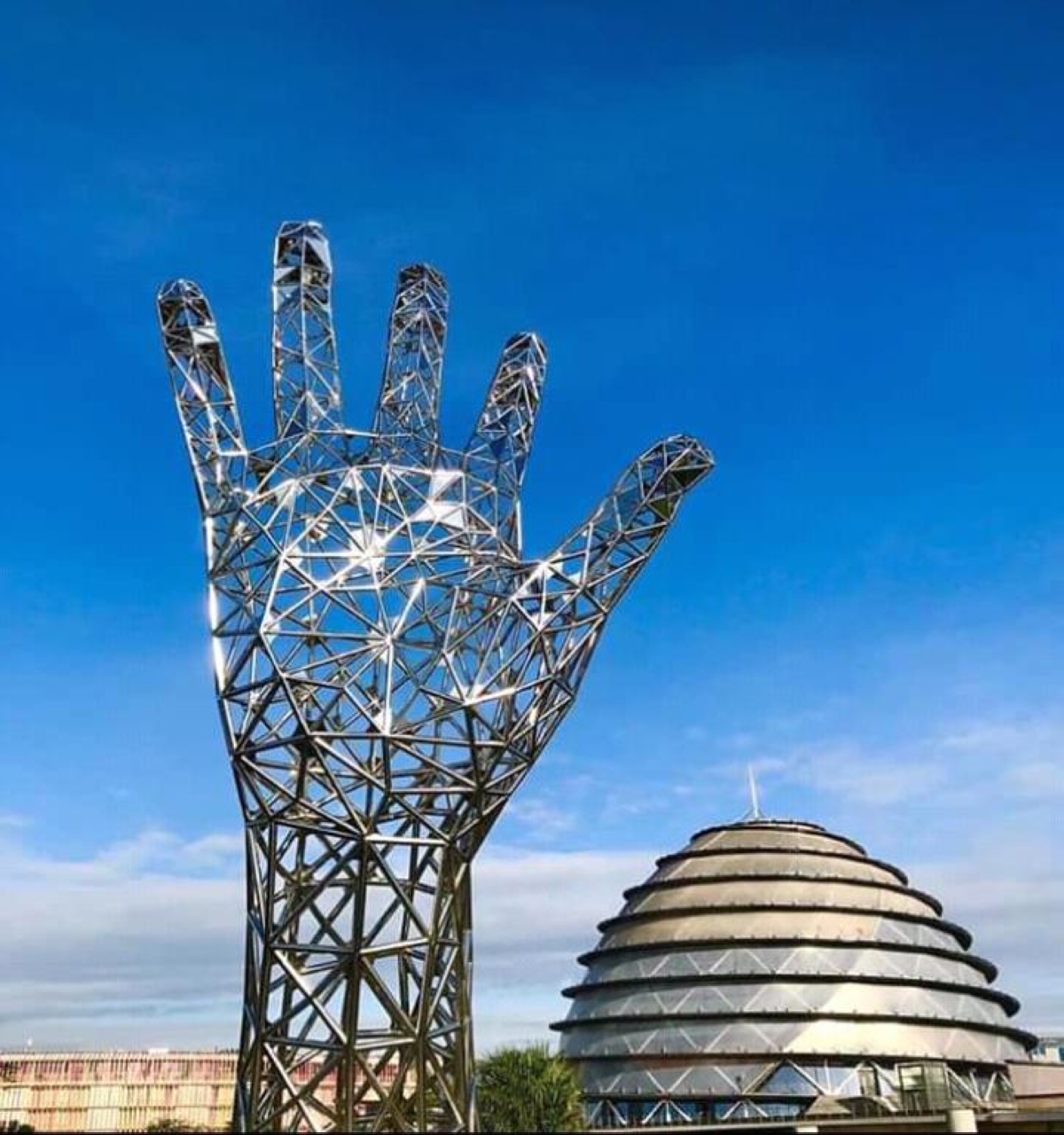
Created by Iraqi sculptor Ahmed Albahrani, the work stands for transparency, accountability and worldwide cooperation within the combat in opposition to corruption. Its linked metal components counsel nations working collectively in opposition to an issue that crosses borders.
Monuments of religion and pilgrimage
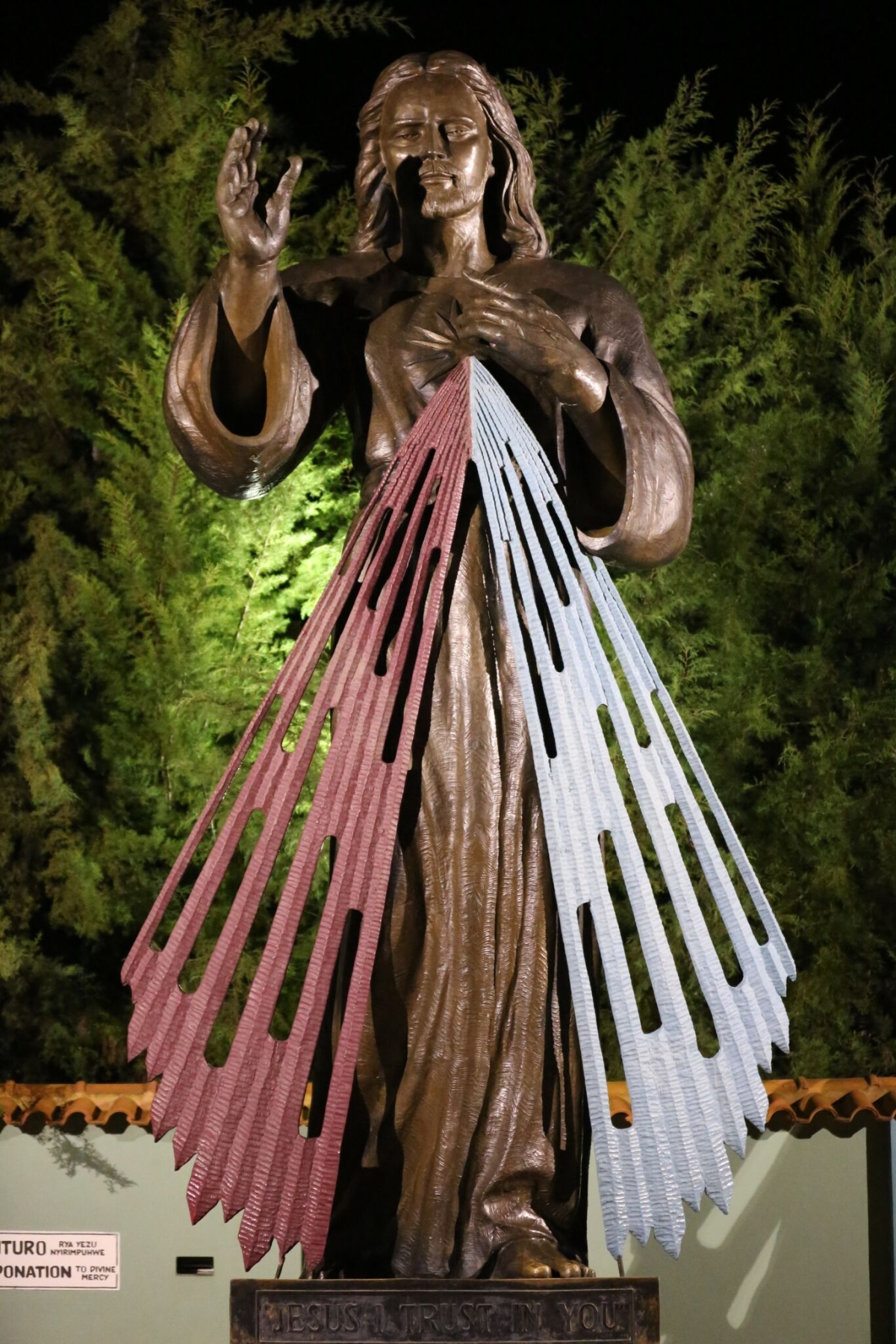
Not all of Rwanda’s monuments are city landmarks. Some are tied to non secular heritage, together with the Divine Mercy Statue overlooking Nyarushishi Hill in Kibeho.
The bronze statue stands 16 toes tall and weighs about two tonnes. Commissioned in the US and later donated to Rwanda, it was put in in 2004 close to the Shrine of Our Woman of Kibeho. Over time, it has grow to be a landmark for pilgrims visiting considered one of Africa’s best-known Catholic pilgrimage websites.
Monuments formed by oral custom
One among them is Ikirenge cya Ruganzu in Rulindo District, a heritage website linked to King Ruganzu II Ndoli. In line with native oral historical past, the footprint preserved there may be believed to have been left by the monarch throughout his marketing campaign to reclaim and reunify Rwanda within the sixteenth century.
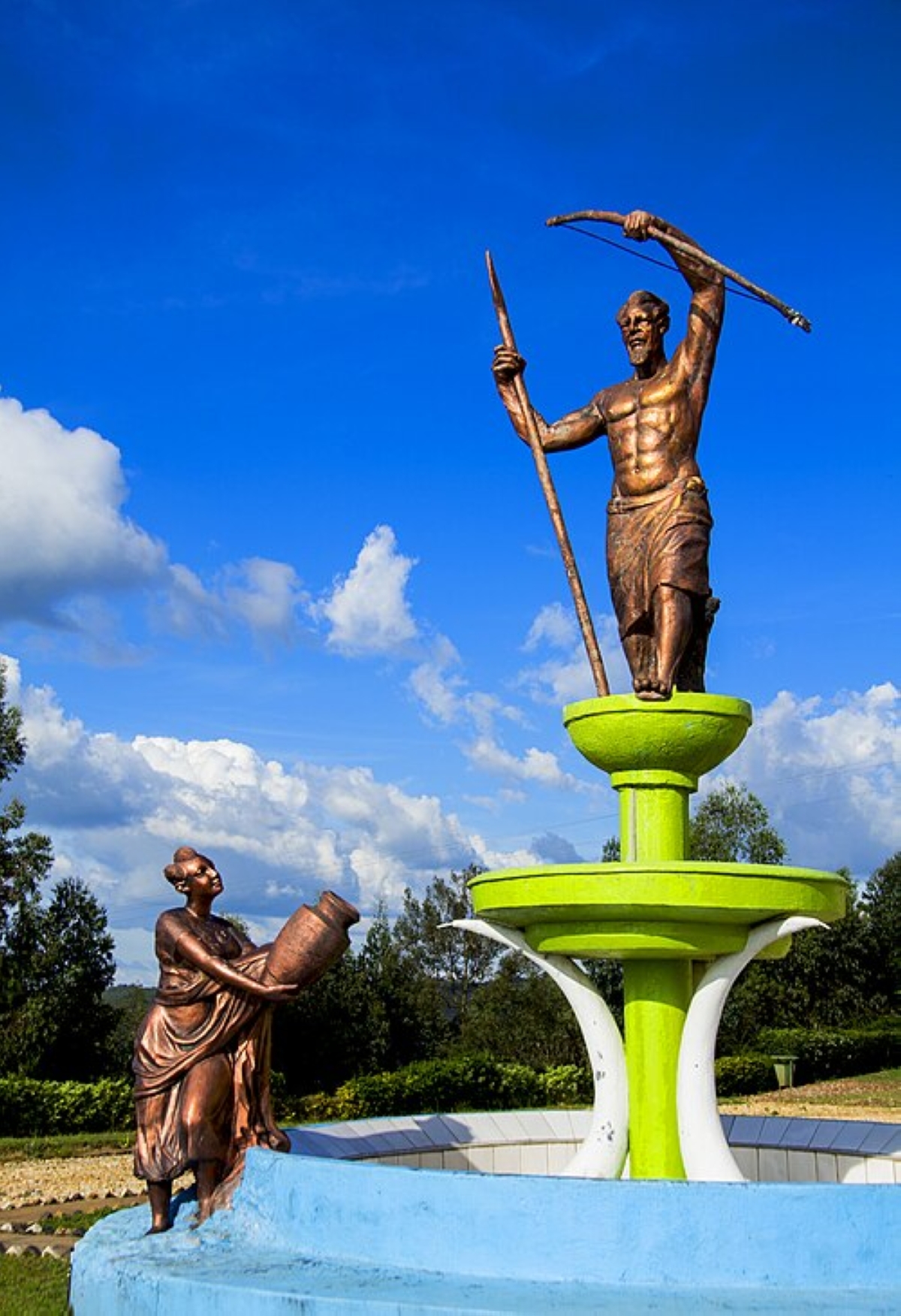
The positioning is now a part of the Ikirenga Cultural Centre, which was created to protect native historical past and promote cultural schooling. Guests can discover conventional structure, cultural performances and artifacts that provide a window into Rwanda’s precolonial previous.


