




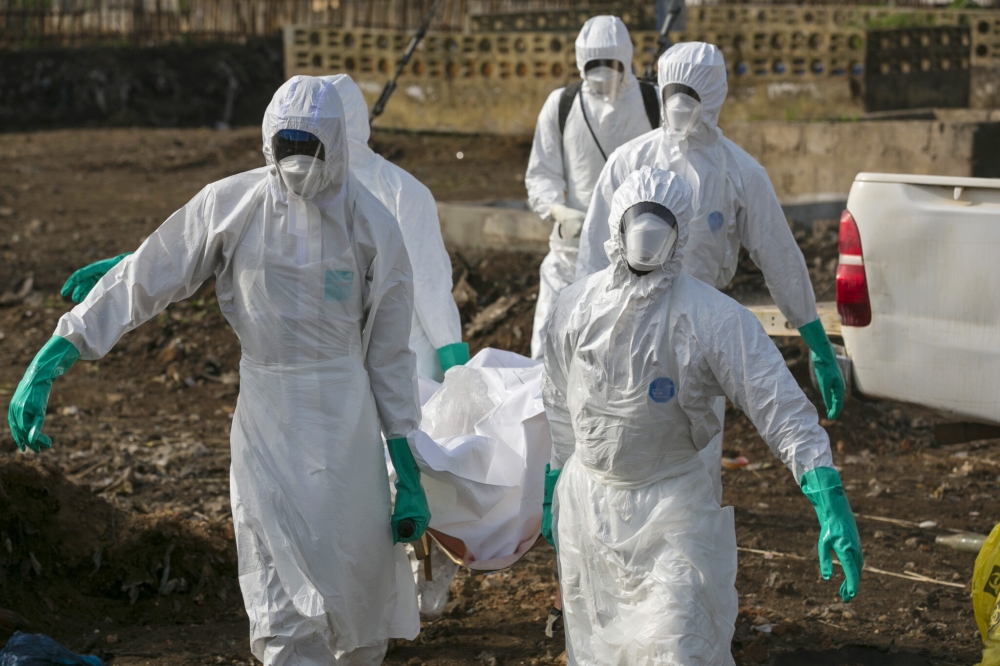
The World Well being Group (WHO) declared the Ebola outbreak in DR Congo and Uganda a public well being emergency of worldwide concern (PHEIC) on Could 17.
Whereas this case doesn’t attain the extent of a pandemic, it alerts a critical worldwide well being danger.
ALSO READ: Ebola outbreak in DR Congo declared a worldwide well being emergency
For an outbreak to be declared a PHEIC, it should meet three key circumstances: the occasion have to be extraordinary, that means the well being state of affairs is critical, sudden, uncommon, or surprising; there have to be a danger of worldwide unfold, with the illness probably crossing borders; and the state of affairs should require a coordinated response, calling for instant worldwide cooperation to handle it successfully.
Implications of the declaration
Declaring a PHEIC spurs international motion by motivating donor companies, well being organisations, and governments to reply, offering funding and expediting the deployment of medical provides, vaccines, and diagnostic checks.
The WHO points short-term steerage for affected and at-risk international locations, together with illness surveillance, group consciousness, and screening measures.
The declaration additionally balances public well being with commerce and journey, avoiding pointless border closures whereas selling focused interventions. Affected international locations should report instances and deaths, whereas WHO screens the state of affairs and will ultimately declare the emergency over as soon as the chance is contained.
Traditionally, PHEICs have been declared for H1N1 (swine flu) in 2009, polio resurgence in 2014, Ebola in West Africa in 2014–2016, Zika in 2016, COVID-19 in 2020, and monkeypox (Mpox) in 2022. These declarations coordinated worldwide responses, prevented cross-border unfold, and offered technical and logistical assist.
The choice to declare a worldwide well being emergency is made by the WHO Director-Basic, suggested by an Worldwide Well being Laws Emergency Committee, a panel of unbiased consultants.
A PHEIC ends when the outbreak not poses a serious worldwide menace and international coordination is not essential. Even after the emergency ends, monitoring and steerage might proceed to stop future outbreaks.
About Bundibugyo virus illness (BVD)
In line with WHO, the Bundibugyo virus illness is a extreme and sometimes deadly type of Ebola attributable to the Bundibugyo virus, one of many Orthoebolavirus species. It’s a zoonotic illness, with fruit bats suspected because the pure reservoir.
People are contaminated via shut contact with contaminated wildlife and may unfold the virus to others by way of blood, secretions, or contaminated surfaces.
The incubation interval ranges from two to 21 days, with individuals changing into infectious solely after symptom onset. Early signs embrace fever, fatigue, muscle ache, headache, and sore throat, which might delay detection.
Signs might progress to gastrointestinal points, organ dysfunction, and generally hemorrhagic manifestations.


